Recovery & Treatment
Treatment that meets you
where you are.
Treatment, recovery support, and harm reduction services for Wayne County residents dealing with alcohol and drug use disorders, evidence-based care when you need it.

Substance use services are available to DWIHN members and Wayne County residents.
Getting Started
How to get help
You do not need to be at your worst to ask for help. Whether you are ready for treatment or just want to talk, DWIHN can connect you to the right level of care.
Call DWIHN Access at 1-800-241-4949 (TTY 711). Substance use services are available to Wayne County residents enrolled in Medicaid. Emergency services are available to anyone in crisis.
- Wayne County resident
- Medicaid enrollment (or eligible, we can help you apply)
- Substance use disorder concern, no formal diagnosis required to call
Ready to take the first step?
Our team is available 24/7 for crisis support. Recovery is possible, we can help you get there.
Call 1-800-241-4949Understanding SUD
What is Substance Use Disorder?
You are not alone.
Millions of Americans live with substance use disorders. Recovery is possible, and DWIHN is here to help you find the right path.
Our Approach
Our Programs & Treatments
DWIHN believes there are many pathways to recovery and that there is no wrong door to receive treatment. Every individual is unique with specific needs, strengths, goals, health attitudes, behaviors, and expectations for recovery. Our Recovery Oriented Systems of Care (ROSC) offers an array of services in our continuum of care that are available 24 hours a day, 7 days a week.
- Trauma-informed care
- Gender-specific & culturally sensitive
- Holistic, mind, body & spirit
- Serves ages 11 to 65+
- Client-centered & individualized
51+ Providers · 100+ Locations
Our Continuum of Care
DWIHN has more than 50 substance use disorders (SUD) providers at 100 locations that provide an array of services. Our continuum of care consists of prevention, treatment and recovery services. Our prevention programs address reducing childhood and underage drinking, prescription drug misuse, and more.
Prevention
- Childhood & underage drinking
- Prescription & OTC drug misuse
- Youth access to tobacco
- Illicit drug use
- Obesity & health programs
Treatment Levels
- Outpatient
- Intensive Outpatient (IOP)
- Withdrawal Management / Detox
- Short & Long-Term Residential
- Medication-Assisted Opioid Treatment (MOUD)
Innovative Modes
- Early Intervention
- Medication-Assisted Treatment
- Women Specialty Services
- Relapse Recovery
- Peer Recovery Coaches
- Case Management
- Screening Brief Intervention Referral to Treatment (SBIRT)
- Acupuncture
- Home-Based Services
- Faith-Based Services
- Returning Citizens
- Drug Courts
- Recovery Homes
- Recovery Activities
- Intensive Wraparound Services
Eventually, something clicked. If these people believed in me this much, people who didn't owe me anything, who weren't getting anything out of it, then maybe I could start believing in myself. And once I did, everything changed. I started taking it seriously. I turned myself in. I got clean.
For Young People
SUD Teens
Ever wonder why people use stuff to feel different? Sometimes, using things like drugs or alcohol can mess with our heads and lives more than we think. That is what we call a Substance Use Disorder (SUD). It is not just about the hard stuff; even everyday things like inhalants, steroids, and even too much caffeine can be a problem. It is all about how we use them.
We believe in you and we are all about making things easier, not harder. No matter what you are dealing with, stress, anxiety, or anything else, we see you, and we are here to help.
Need to Talk?
Feeling lost or just need someone to listen? Our 24-hour helpline is always here. You are not alone in this.
Call (800) 241-4949Prefer to text? Reach us at 313-488-4673 via ReachusDetroit.org
Integrated Care
Substance Use Disorder Health Homes (SUDHH)
The Substance Use Disorder Health Home is a model of care that coordinates your health needs. It is comprised of primary care and specialty behavioral health providers, bridging the gap between two distinct delivery systems to provide optimal integrated care. It is specialized and personalized care focused on recovery-centered services.
People diagnosed with substance use disorders have an increased risk of chronic diseases, including cardiovascular disease, pulmonary diseases, HIV/AIDS, Hepatitis, and other conditions. The SUDHH model ensures coordinated care across all of these areas.
Eligible for Medicaid beneficiaries including:
- Medicaid
- Healthy Michigan
- Freedom to Work
- Healthy Kids Expansion
- MIChild
Whole-Person Health
SUDHH bridges primary care and behavioral health, so you get complete care, not fragmented care.
Call ACCESS: (800) 241-4949Recovery Support
Recovery Housing & Peer Support
Recovery Housing
DWIHN contracts with 14 recovery housing providers with over 50 locations throughout Wayne County. Recovery housing provides safe, healthy residential environments where skills vital to sustaining recovery are learned and practiced in a home-like setting, using peer recovery coaches. All DWIHN recovery homes are NARR or MMARR certified and are audited annually.
Recovery-Support Services (RSS)
Recovery-Support Services help individuals reduce or eliminate barriers to ongoing recovery by utilizing peer recovery coaches. RSS services address five key areas:
- Relapse prevention
- Emotional stability
- Social & community integration
- Spiritual affiliation
- Employment & vocational opportunity
Recovery housing providers
50+ locations · NARR/MMARR certified · Wayne County
Find Recovery HousingKnow Your Rights
SUD Recipient Rights
Individuals receiving publicly funded Substance Use Disorder (SUD) services have specific rights that protect their privacy, dignity, and well-being under Michigan Public Act 368.
- The right to be treated with dignity and respect at all times
- The right to receive services in a safe setting, free from abuse, neglect, exploitation, harassment, or discrimination
- The right to have personal information kept confidential, except as required or allowed by law
- The right to participate in developing your treatment plan and to receive clear information about your services
- The right to receive services without being denied solely based on your inability to pay
- The right to file a complaint if you believe your rights have been violated, and to receive a timely, fair review
Questions about your rights?
John Shafer
Regional Rights Consultant
(313) 344-9004 ext. 3021 (313) 654-4197 JShafer@dwihn.org (313) 696-0788 SUD Rights Hotline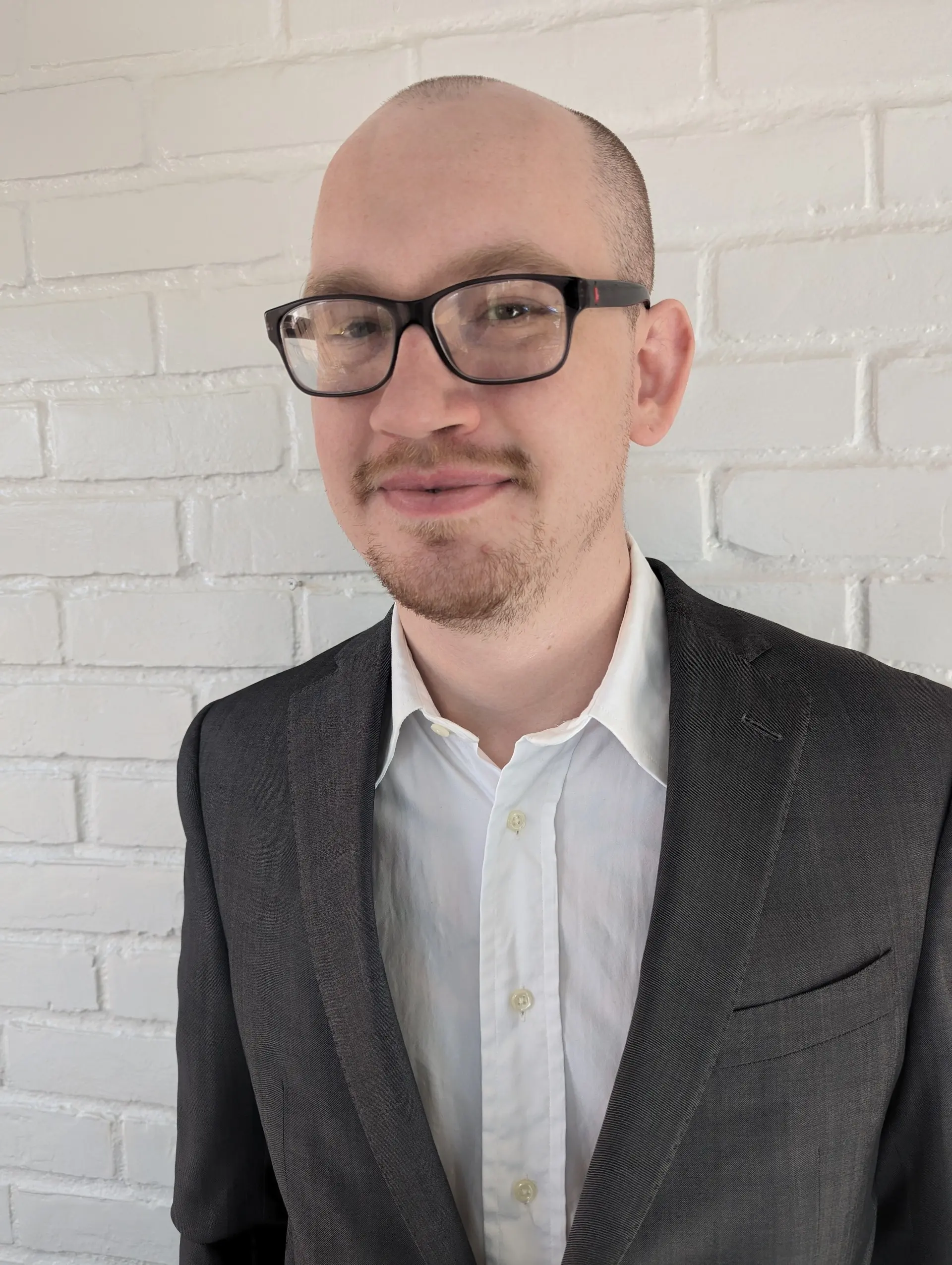
Matt Yascolt
Director, Substance Use Disorder Programs
Matt and his team design systems to invite people into treatment — normalizing access and treating SUD care with the same urgency as any other chronic medical condition. We streamline the path to care to ensure that reaching out is met with an open door.
Together we are shifting the narrative from one of shame and isolation, to one of support and opportunity. Helping people build lives that they do not want to escape from.
Additional Resources
Tools, Locations & Information
For Members
-
Safe medication drop-off locations are available throughout Wayne County. Use the DWIHN provider directory to find the nearest drop-off site for unused or expired prescriptions.
Find an Rx Drop-Off Location -
DWIHN coordinates access to a full continuum of SUD services through a network of more than 51 providers across Wayne County. Use the provider directory to find services near you.
Find SUD Providers -
DWIHN maintains a network of providers offering specialized substance use disorder services for women. Find a Women's Specialty Services provider near you.
Find Women's Specialty Providers -
DWIHN offers educational materials on managing substance use disorders, co-occurring conditions, and medications. Resources are available in multiple languages.
For Providers
-
Required prevention and treatment trainings are available through MCBAP (Michigan Certification Board for Addiction Professionals) approved providers. Free community Narcan training is also available, see training flyer for registration details.
-
GPRA (Government Performance Results Act) interviews are required for any client receiving SOR-funded treatment and/or recovery services. Interviews are conducted at intake, discharge, and 6-month follow-up. Required programs: Recovery Homes, Jail-based MAT, and OUD/Stimulant Use Disorder (StUD) SUD Treatment.
Data must be entered within 1 day, and no later than 7 days, after the interview date.
-
Prevention
- Quality Prevention Audit Tools: Staff and Program
- Prevention Staff Roster Template
Treatment
- Case Record Tool
- Staff Qualification
- Administrative
- Treatment Staff Roster Template
SUD Specific Audits
- RSS Tool
- Recovery Homes (RH) Tool
- Environmental Tool
- Grants Tool (WSS, Opioid Settlement Funding, SAPT)
- FY2025 Annual Audit Scores
-
The Michigan Prevention Data System (MPDS) User Guide provides guidance for provider agencies on data collection and reporting.
Download MPDS Manual (2023) -
The SUD Strategic Plan 2026 is coming soon. The 2021–2023 Strategic Plan is available for reference in the archived documents section.
-
SUD providers in the DWIHN network have access to clinical tools, billing guidance, compliance resources, and training through the Provider Resources section.
Go to Provider Resources