
Individual Therapy & Counseling
One-on-one sessions with a licensed clinician to address depression, anxiety, trauma, grief, and other mental health challenges. Evidence-based approaches including CBT, DBT, and trauma-focused therapy.

Adult Behavioral Health
Treatment, case management, peer support, and recovery services for Wayne County adults 18 and older, from first call to long-term care.
Services are available to eligible DWIHN members. Call to begin, we will connect you.
Adult Mental Health
If you have or think you might have mental health issues, talking about these concerns with others can be helpful. Reaching out for help may be frightening, but it is often the first step toward healing, growth, and recovery.
Having a strong support system and engaging with trustworthy people are essential to recovery. Whether you reach out to a provider, a family member, or a peer, you do not have to face this alone.
Find someone you trust, a parent, family member, teacher, faith leader, or healthcare provider who:
What We Offer
DWIHN coordinates a full continuum of behavioral health services through our network of providers. Services are tailored to your diagnosis, situation, and goals.
One-on-one sessions with a licensed clinician to address depression, anxiety, trauma, grief, and other mental health challenges. Evidence-based approaches including CBT, DBT, and trauma-focused therapy.
Psychiatric evaluations, diagnosis, and ongoing medication management for conditions including schizophrenia, bipolar disorder, major depression, and PTSD. Provided by psychiatrists and psychiatric nurse practitioners.
A dedicated care manager helps you navigate services, coordinate appointments, connect to community resources, and develop a personalized treatment plan. Available at all levels of care.
Certified peer specialists with lived experience in mental health recovery provide coaching, encouragement, and practical guidance. Peer support is available as a standalone service or alongside clinical care.
Individual Placement and Support (IPS) helps people with serious mental illness find and keep competitive employment that matches their goals, skills, and preferences. Job coaching and employer outreach are included.
Community Support Programs (CSP) and Housing Support Services help adults with serious mental illness maintain stable housing, build daily living skills, and participate in their communities.
Intensive, community-based services for adults with the most severe mental illnesses. A multi-disciplinary ACT team, including a psychiatrist, nurse, case manager, and peer specialist, provides wraparound support wherever you live.
Integrated treatment for adults experiencing both a mental health condition and a substance use disorder. Coordinated care addressing both conditions together is more effective than treating them separately.
The IDD Program provides the resources adults with intellectual and/or developmental disabilities need to live actively in their communities based on their needs, preferences, and goals. Respite, community living supports, psychiatry, psychology, behavioral supports, skill-building, speech/physical/occupational therapies, and vocational services are available based on medical necessity.
Court-ordered treatment for adults with a mental illness who need extra support remembering appointments or taking medication. AOT is not a legal penalty. Every order is supervised by a psychiatrist or psychologist and an outpatient treatment provider, and can include case management, therapy, and medication support.
Learn more about AOT at Wayne StateA partnership with Genoa Pharmacy that delivers medication directly to your home. A qualified staff member observes you taking your medication, provides education, and records it in your chart. Available to Medicaid-enrolled members 18 and older with a participating provider. To enroll, contact your case manager or supports coordinator. This program is voluntary, and you can opt out at any time.
Daily activities and community for adults with a mental illness who want to socialize, build job and life skills, and become more active in their community. Open to members 18 and older enrolled with a participating provider. Ask your supports coordinator to help you find a Clubhouse with space available. This program is voluntary, and you can opt out at any time. Tell your case manager or supports coordinator so they can update your treatment plan and authorizations.
Program Videos
Watch these short videos to learn how each program supports DWIHN members.
Learn how Med Drop supports medication adherence at home.
See how Clubhouse creates community and supports recovery.
Mental Health Information
Mental illness is a medical condition that disrupts a person's thinking, feeling, mood, ability to relate to others, and daily functioning. Just as diabetes is a disorder of the pancreas, mental illnesses are medical conditions that often result in a diminished capacity for coping with the ordinary demands of life. Serious mental illnesses include major depression, schizophrenia, bipolar disorder, OCD, panic disorder, PTSD, and borderline personality disorder. The good news is that recovery is possible.
Serious mental illness (SMI) among adults 18 and older is defined as having, at any time during the past year, a diagnosable mental, behavior, or emotional disorder that causes serious functional impairment that substantially interferes with or limits one or more major life activities. Serious mental illnesses include major depression, schizophrenia, and bipolar disorder. People with serious mental illness are more likely to be unemployed, arrested, and face inadequate housing compared to those without mental illness.
Mental disorders involve changes in thinking, mood, and/or behavior. These disorders can affect how we relate to others and make choices. Mental disorders take many different forms, some are rooted in deep levels of anxiety, extreme changes in mood, or reduced ability to focus or behave appropriately. Others involve unwanted intrusive thoughts, and some may result in auditory and visual hallucinations or false beliefs. Anxiety disorders are the most common type of mental disorders, followed by depressive disorders.
The co-existence of both a mental health and a substance use disorder is referred to as co-occurring disorders (previously called dual diagnoses). According to SAMHSA, approximately 7.9 million adults in the United States had co-occurring disorders. People with mental health disorders are more likely than those without to experience an alcohol or substance use disorder. Co-occurring disorders can be difficult to diagnose, both may vary in severity, and people often receive treatment for one disorder while the other remains untreated.
Co-occurring disorders are common among people experiencing homelessness. This population often has a variety of issues that require services beyond behavioral health treatment, such as life skills development, employment assistance, and housing. Integrating behavioral and primary care is important, though few experiencing homelessness have access to it, this can lead to chronic homelessness and further deterioration in physical and behavioral health.
Many people in the criminal justice system have co-occurring disorders. Providing integrated treatment to address mental and substance use disorders can lead to positive outcomes such as reduced substance use and arrests. Effective screening at entry points, use of standardized instruments, and trained staff to administer and refer are critical components of a full protocol in criminal justice settings.
Co-occurring disorders such as PTSD and substance use are prevalent among veterans and the military community. According to the VA, approximately one-third of veterans seeking treatment for substance use disorders also met the criteria for PTSD. Veterans and service members benefit from integrated care for mental and substance use disorders. To promote wellness, practitioners are encouraged to collaborate with organizations that provide guidance on treating veterans with co-occurring disorders.
Integrating behavioral and primary care is especially important to meeting the needs of individuals with co-occurring disorders. Screening in primary care settings can identify mental health and substance use disorders early, allowing providers to offer timely referrals and coordinated treatment that addresses the whole person.
States working to improve treatment for people with co-occurring disorders have established practitioner competencies that define roles and create a common framework for working collaboratively across social service systems. These competencies help ensure that clinicians, case managers, and peer specialists are trained to deliver integrated care that addresses both mental health and substance use conditions simultaneously.
Getting Started
There is no wrong door. Whether you call us or a provider calls on your behalf, we will help you get connected to the right care.
Call DWIHN Access at 1-800-241-4949 (TTY 711) to request services. Your doctor, hospital, or another provider can also make a referral on your behalf. No referral is required to call.
A clinician will conduct a brief phone or in-person screening to understand your needs and determine what services you may be eligible for. This typically takes 30–60 minutes.
Based on your assessment, DWIHN will authorize services and connect you with a network provider who fits your needs, location, language preference, and schedule.
Your first appointment is typically scheduled within 14 days of authorization. Your care plan is developed collaboratively, your goals and preferences drive the treatment.
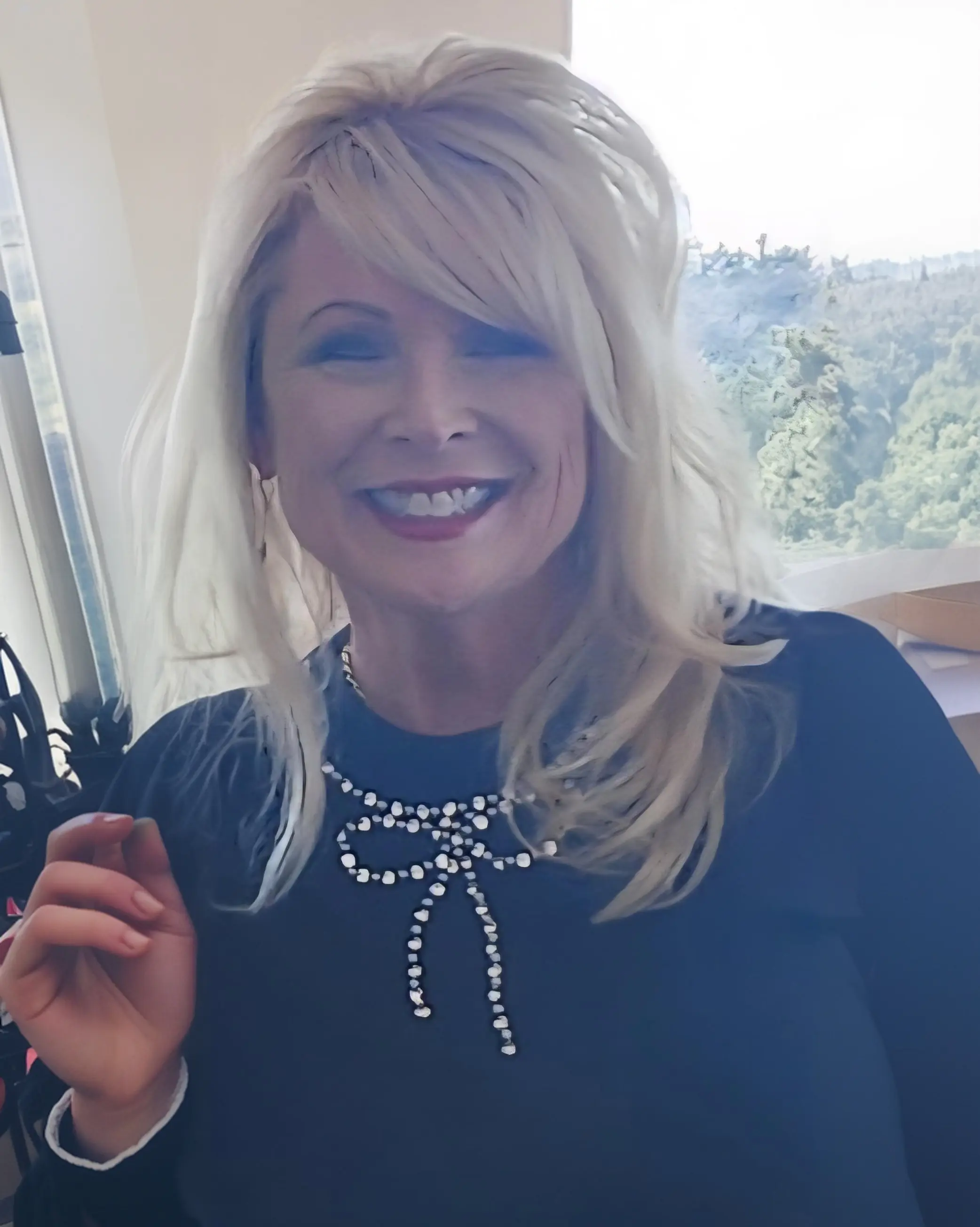
Director of Adult Services
Marianne Lyons directs DWIHN's Adult Services division, overseeing behavioral health programs for adults across Wayne County. With deep expertise in community mental health systems and program development, Marianne ensures that adults living with serious mental illness, co-occurring disorders, and intellectual disabilities receive timely, person-centered care — connecting them to the treatment and support they need to live fulfilling lives.
Every adult who reaches out to DWIHN deserves to be met with respect, understanding, and a clear path to the services that can make a difference in their life.
Who Qualifies
DWIHN services are available to Wayne County residents who are enrolled in Medicaid. If you are not currently enrolled, we can help connect you with Medicaid enrollment assistance.
Not sure if you qualify? Call us, we will help you figure it out.
Our Access team is available Monday through Friday, 8 AM to 5 PM, and crisis support is available 24/7.
Call 1-800-241-4949 Search the Provider Directory