
Population Health
About Population Health
What DWIHN Population Health does
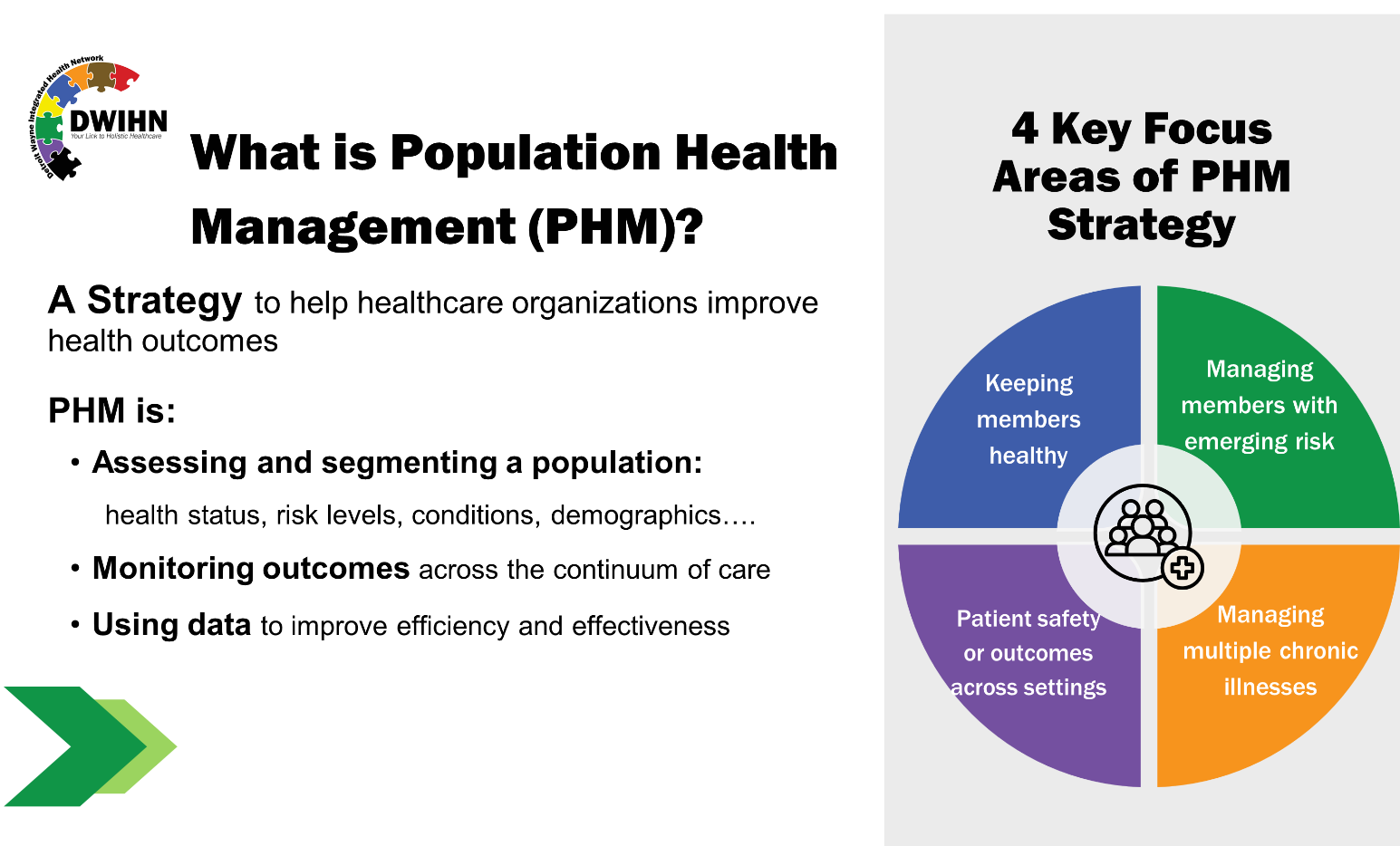
DWIHN seeks to assess and improve the health of its Membership, monitor the health of its potential population (Medicaid-eligible people living within Wayne County), and measure how the health of these populations compares to the health of the Wayne County and State of Michigan populations.
In brief
Assess and improve the health of DWIHN members.
Monitor the health of Medicaid-eligible people living in Wayne County.
Compare with the Wayne County and State of Michigan populations.
Reports & Strategy
Population health assessment and strategy documents
Data sharing
Population health analytics are part of how DWIHN works with Medicaid Health Plans.
Health Equity
Mental Health Equity and DWIHN’s commitment
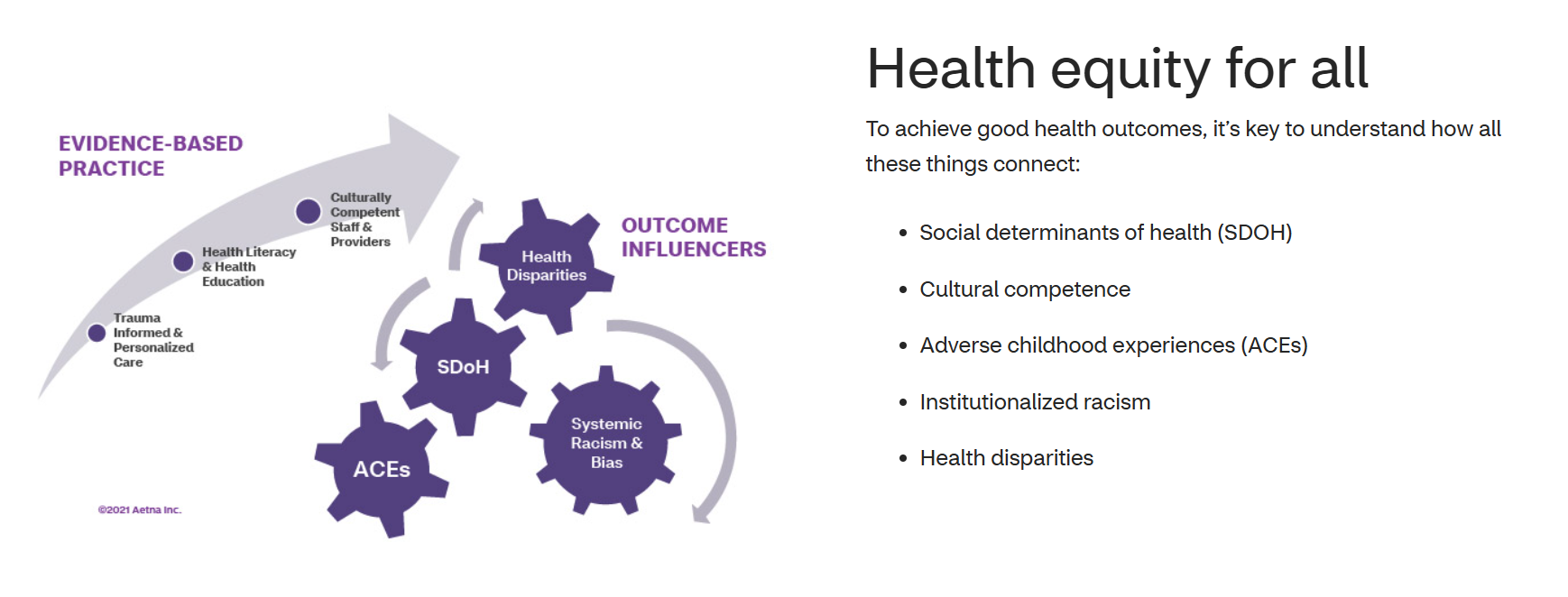
At DWIHN, we believe that every individual should have a fair and equal opportunity to be as healthy – physically and mentally – as possible. Many communities within Wayne county face unique barriers to mental and physical health. Health equity means identifying and recognizing these barriers and establishing programs and supports to counteract these challenges.
Related
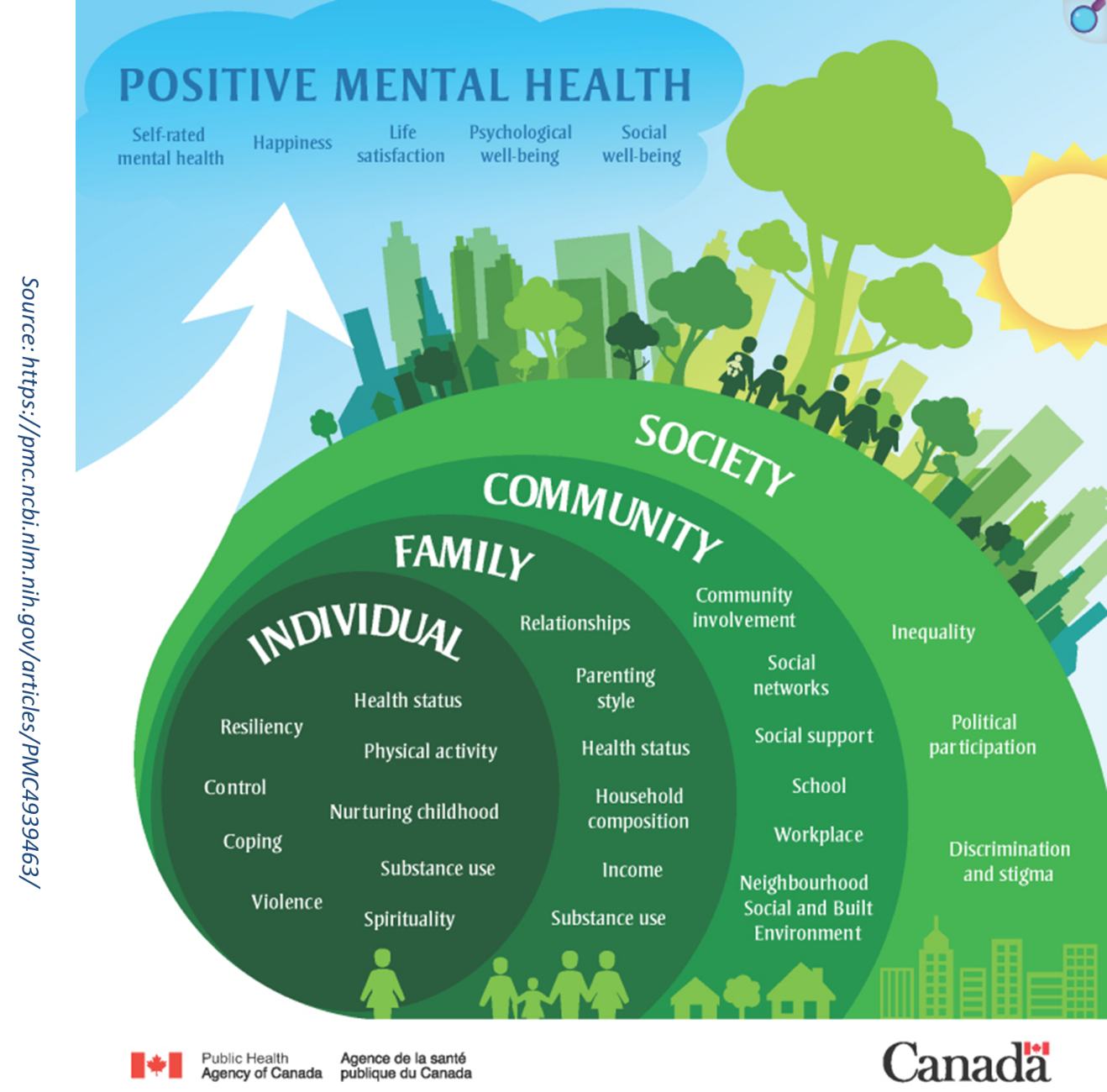
Housing, employment and food access are examples of the social determinants of health that affect mental and physical health.
Social determinants of healthSocial Determinants of Health
What are the social determinants of health?
Social determinants of health (SDOH) are the conditions in the places where people live, learn, work, and play that affect a wide range of health, functioning, and quality-of-life outcomes. Healthy People 2030 groups them into five areas:
- Economic stability – steady income, employment, food security and stable housing.
- Education access and quality – literacy, language, early childhood education and higher education.
- Health care access and quality – health insurance, access to primary and behavioral health care, and health literacy.
- Neighborhood and built environment – safe housing, transportation, clean air and water, and safe places to be active.
- Social and community context – family and community support, social connection, and freedom from discrimination and violence.
These conditions can also affect whether people are able to reach care and stay engaged in treatment, which is why DWIHN works with community partners to address them.
Learn more
Healthy People 2030 explains the five areas of the social determinants of health.
Healthy People 2030 (opens in new tab)Our Programs
Current DWIHN programs to reduce inequity
Our commitment
Every individual should have a fair and equal opportunity to be as healthy, physically and mentally, as possible.